
How Buzzwords are killing the photography industry
In the fall of 2025, I conducted a series of Instagram reviews for photographers trying to align their brand and presence: this process included asking who they are as a photographer and what their art means for their clients.
The common denominator amongst these photographers? The same collection of words, or how I’ll be referring to them here, photography buzzwords. Cinematic, editorial, timeless, and documentary are all worthy candidates to be descriptors of capturing art when they accurately reflect the work; however, the problem arises from how they’ve become branding shortcuts, used so frequently and so loosely that they’ve stopped communicating anything meaningful at all.
Open twenty photography websites and be on the lookout for one—or a collaborative use—of these words: you’ll be surprised to find that the bright and static photographer is describing their work as “documentary”, while the photographer who directs and poses every moment of their session confidently says “storytelling.” And ironically, these photographers who are trying to stand out by using the exact some language as everyone else.
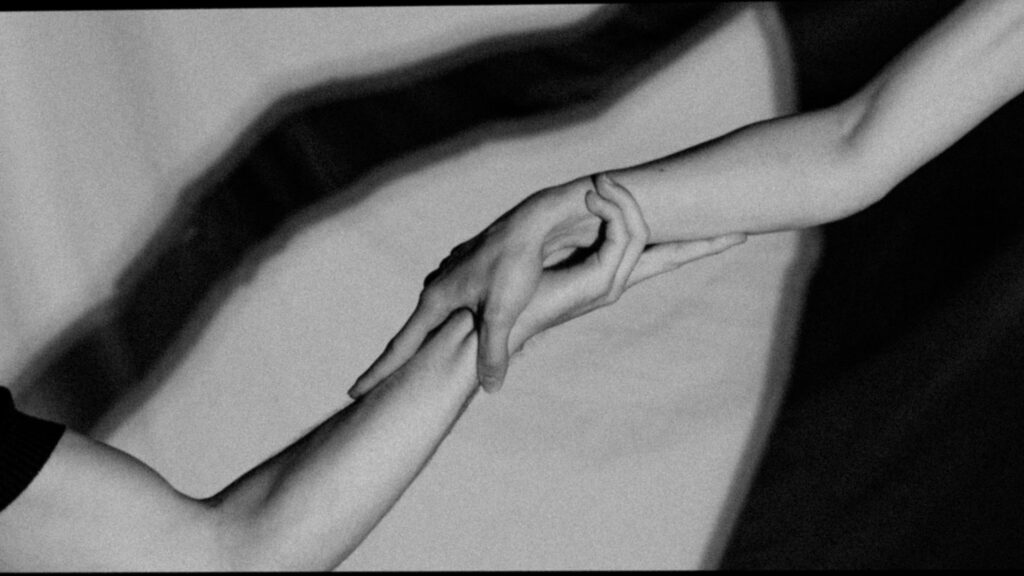
Buzzwords remove personality.
With all of this in mind, when your portfolio needs buzzwords to explain itself, the problem probably isn’t your copy—it’s your positioning. The use of these descriptors is not inherently bad; however, the strongest brands don’t borrow vocabulary… they create work that gives those words meaning.
So why did these words stop being used to simply describe what is being offered, to now becoming an aspiration and identity? Can a photographer who shoots clean, posed, and true-to-life color truly relay the message that they’re cinematic? Sometimes yes, but more often than not, this is the consequence of the word losing it’s fundamental meaning.
Cinematic – originally implied galleries inspired by filmmaking—intentional lighting, movement, atmosphere, composition, and emotional pacing.
Storytelling – wasn’t just taking candid photos—it meant creating a cohesive visual narrative.
Documentary – meant minimal interference and observing moments rather than creating them.
Editorial – came from magazine fashion photography, emphasizing styling, direction, design, and publication-quality imagery.
After a while, none of it means anything. Instead of helping clients understand your work, it just creates white noise—something your potential clients skims past without a second thought. And unfortunately, somewhere along the way, photography stopped being described by what it actually looked like and started being described by whatever words happened to be trending on Instagram.
Positioning is harder than labeling.
It’s true. It is so much easier to say that you’re an “editorial wedding photographer” than to actually pinpoint what makes your work unique, who you are as an artist, and what feeling your images create. As mentioned, descriptors were never the problem to begin with, rather, it’s the exploitation of them to try to gain some sort of advantage in a saturated market.
Instead of saying “I am a cinematic photographer,” photographers should create art that naturally makes a potential client think that “this feels cinematic.” The work should earn the label, not the other way around.
Because social media rewards familiarity, once a few successful photographers had started calling themselves “editorial,” everyone else copied the language because they thought that’s what clients want. Now, hundreds of portfolios with completely different aesthetics all use the same handful of adjectives. The result is an industry where everyone’s website says something different, yet somehow they all sound exactly the same.
Clients don’t actually know what these words mean.
Realistically, most couples are not photographers—most couldn’t even tell you what a mirrorless camera is or the difference between automatic and manual. They are not comparing different ISOs, compositions, or documentary strategies… they are looking for how the photos make them feel — “do I like these photos?” The one and only question before taking that next step of inquiring.
Perhaps the greatest loss isn’t that clients are confused—it’s that photographers never develop a language of their own. Instead of discovering what genuinely distinguishes their work, they inherit whatever vocabulary is currently rewarded by the algorithm. Their portfolio becomes a performance of someone else’s identity rather than an honest reflection of their own.
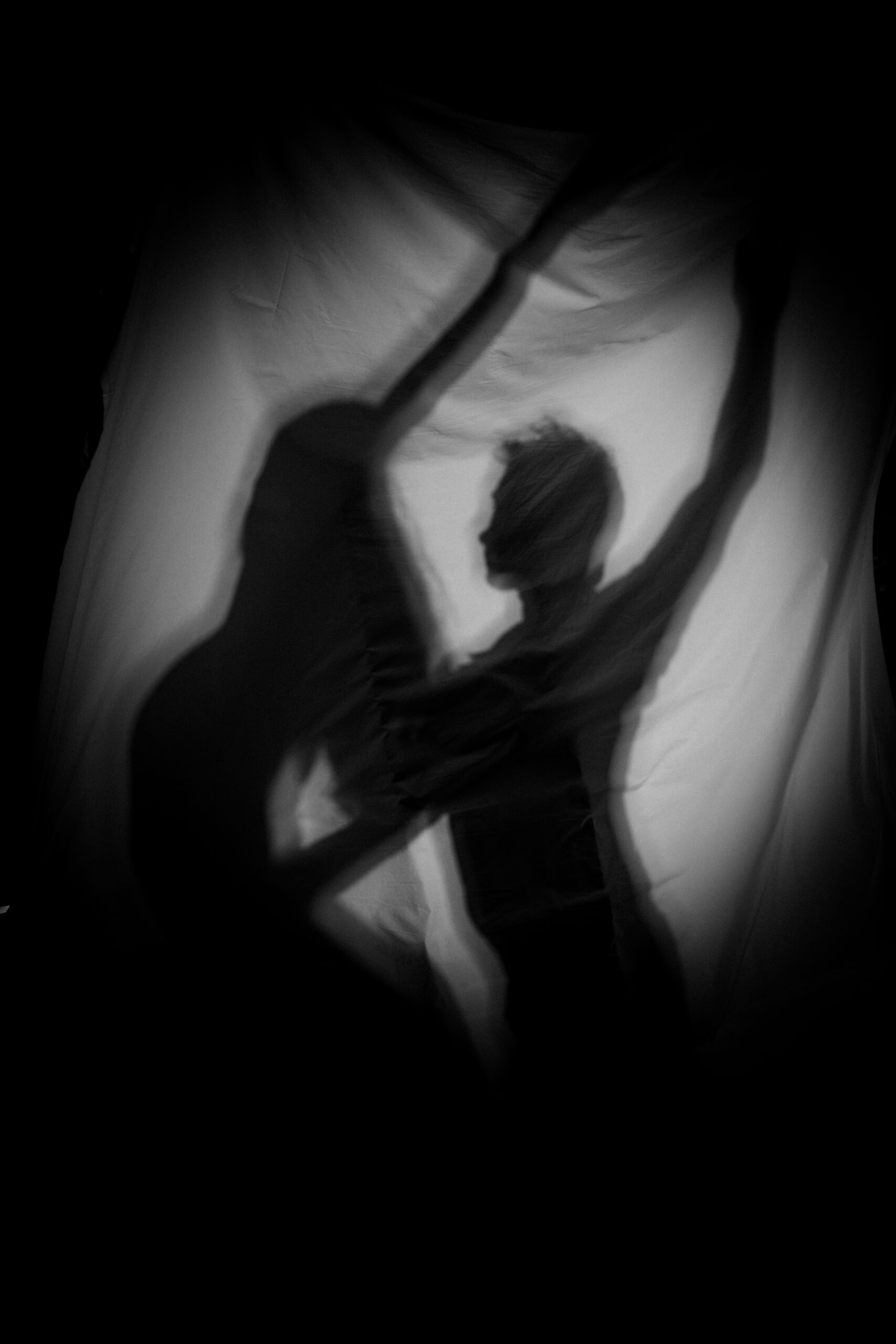
The work should earn the label, not the other way around.
The photographers whose work endures rarely begin by deciding they’re editorial, cinematic, or documentary. They spend years refining how they see the world until those words become obvious to everyone else. Their style isn’t built from language—it gives language something to describe.
The ultimate danger of these buzzwords is that they tempt us to skip the uncomfortable work becoming artists by just borrowing the language of those who already are.
-Laura Ringstaff
Ready to book a photographer? Take a look at my services!